Breckenridge Hiking
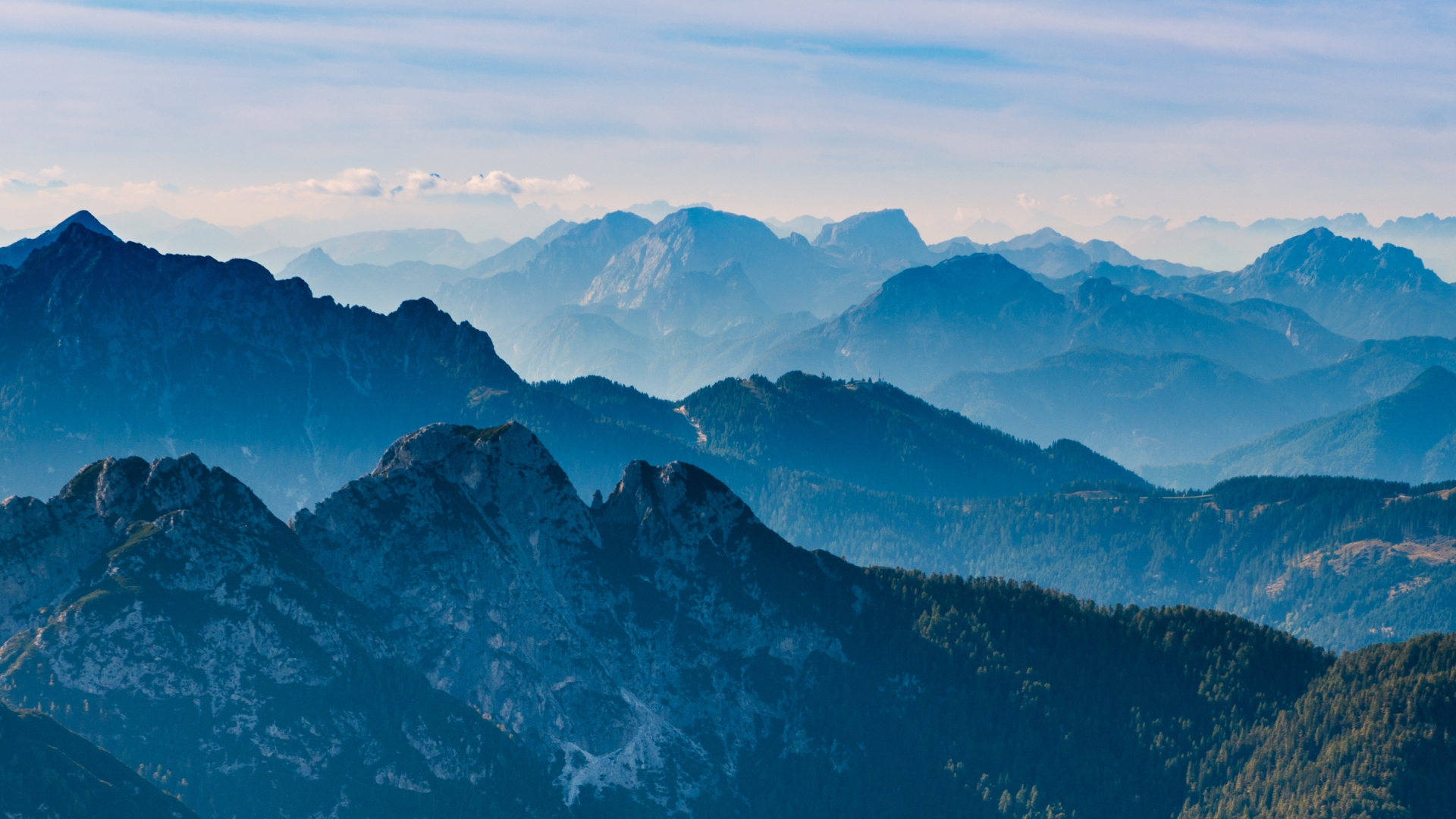
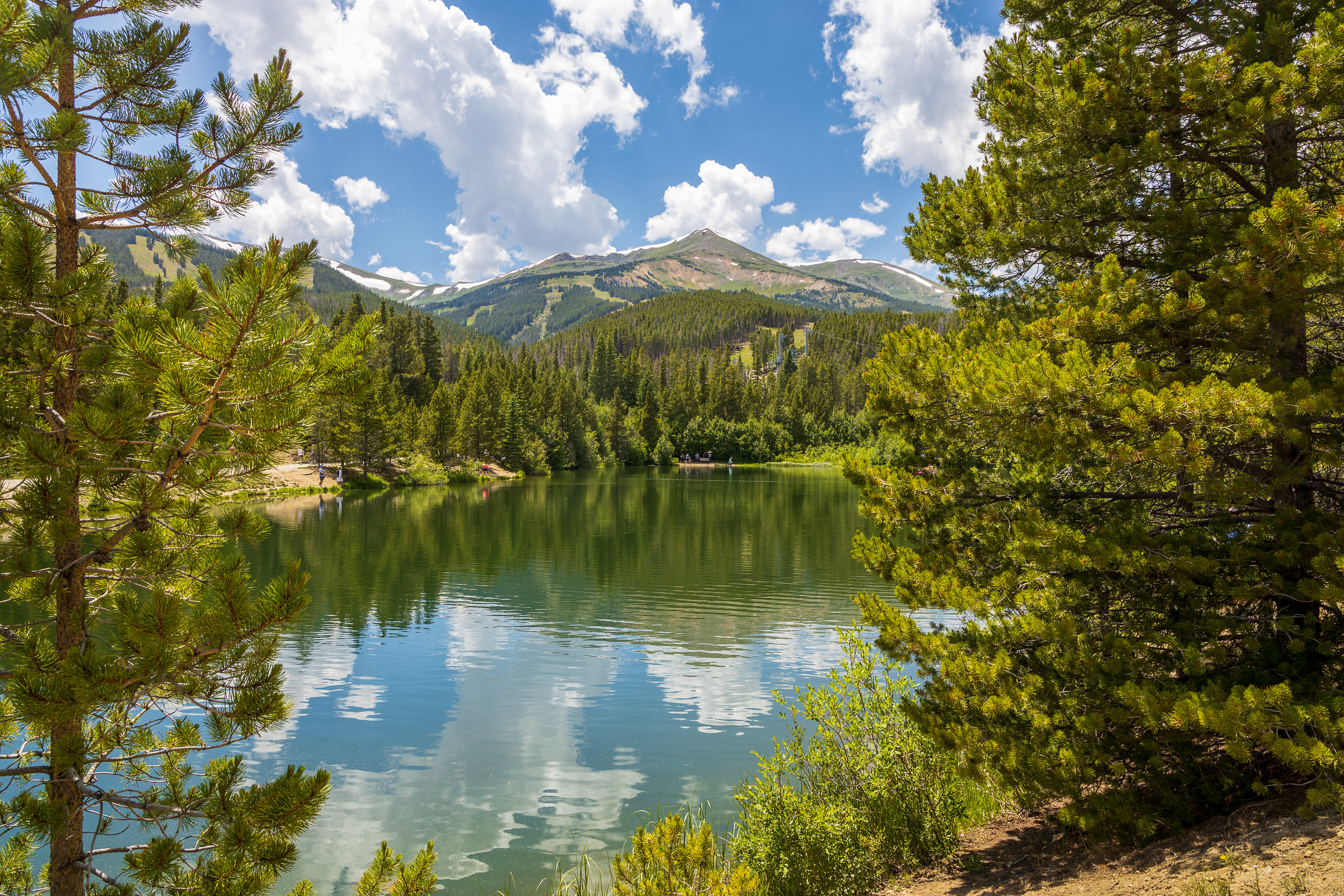
Hiking in Breckenridge means weaving through wildflower-filled meadows, dense pine forests, and rugged mountain terrain with unforgettable views at every turn. Breckenridge is on every outdoor lover’s list for a reason!
Hiking in Breckenridge — What You Need To Know
Breckenridge’s trail network spans more than 200 miles across the White River National Forest and Summit County open space, with trailheads scattered from downtown to the high alpine basins surrounding town. Elevations start at 9,600 feet in town and reach 14,265 feet at the summit of Quandary Peak, so you’ll feel the altitude whether you’re on an easy loop or a challenging summit push. For an overview of the best Breckenridge hikes, start with our trail guide.
Peak hiking season runs from mid-June through September, when snow clears most trails and wildflowers carpet the meadows. Some lower-elevation trails stay accessible year-round with snowshoes or microspikes. The shoulder months of June and late September reward you with thinner crowds and striking light.
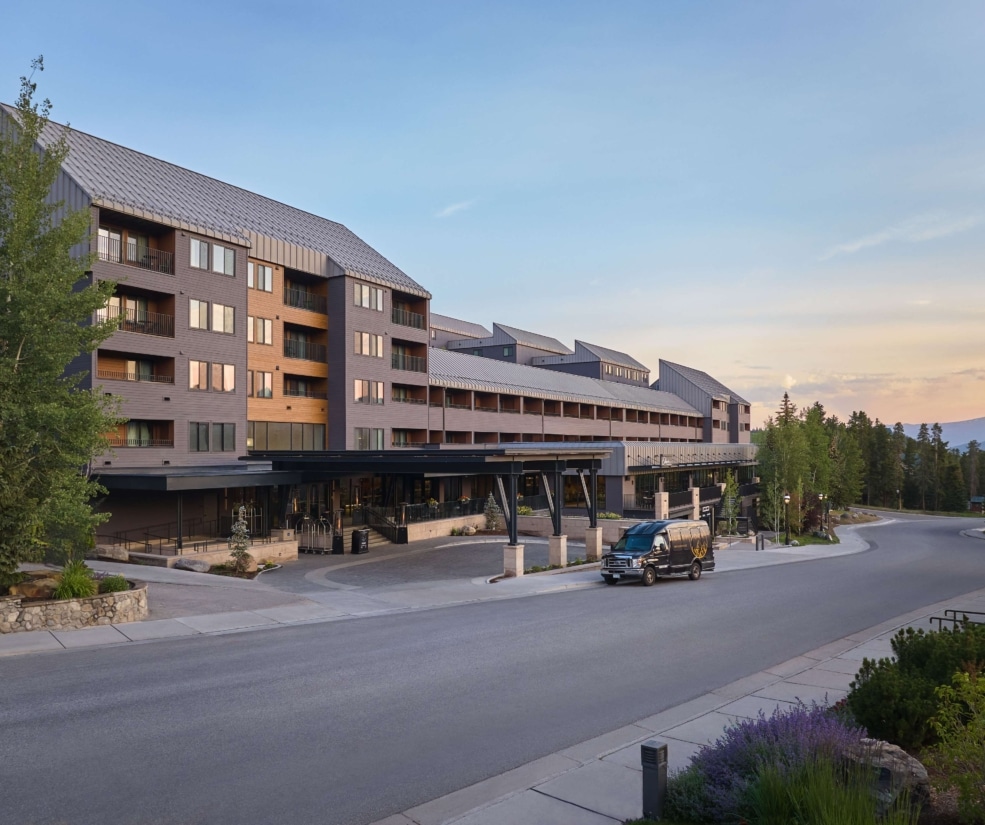
Hotel Alpenrock is slopeside at the base of Peak 9 — the Burro Trail starts right from the hotel’s doorstep, and a dozen more trailheads sit within a 15-minute drive. It’s the kind of basecamp that lets you spend your energy on the trail instead of the commute. Between hikes, explore the full range of Breckenridge activities available from the hotel.
Best Hiking Trails Near Breckenridge
Breckenridge’s trails break naturally into three tiers — easy paths for families and casual hikers, moderate routes for anyone looking for a solid half-day on the mountain, and challenging treks that climb above treeline and test your lungs at altitude. Here’s what you’ll find at each level.
Easy Hiking Trails in Breckenridge
Sawmill Creek Trail — This 1.3-mile loop gains just 223 feet, making it one of the most accessible trails near town. You’ll follow a gentle path through aspen groves and along Sawmill Creek, with benches spaced along the route. It’s perfect for families with young kids or anyone looking for a relaxed afternoon walk without the climb.
Blue Lakes Trail — Under 20 minutes from Breckenridge, Blue Lakes sits in a glacial basin with striking mountain panoramas reflecting off the water’s surface. The trail gains only 108 feet, so you can focus on the scenery instead of your heart rate. Arrive early on summer weekends — parking fills fast.
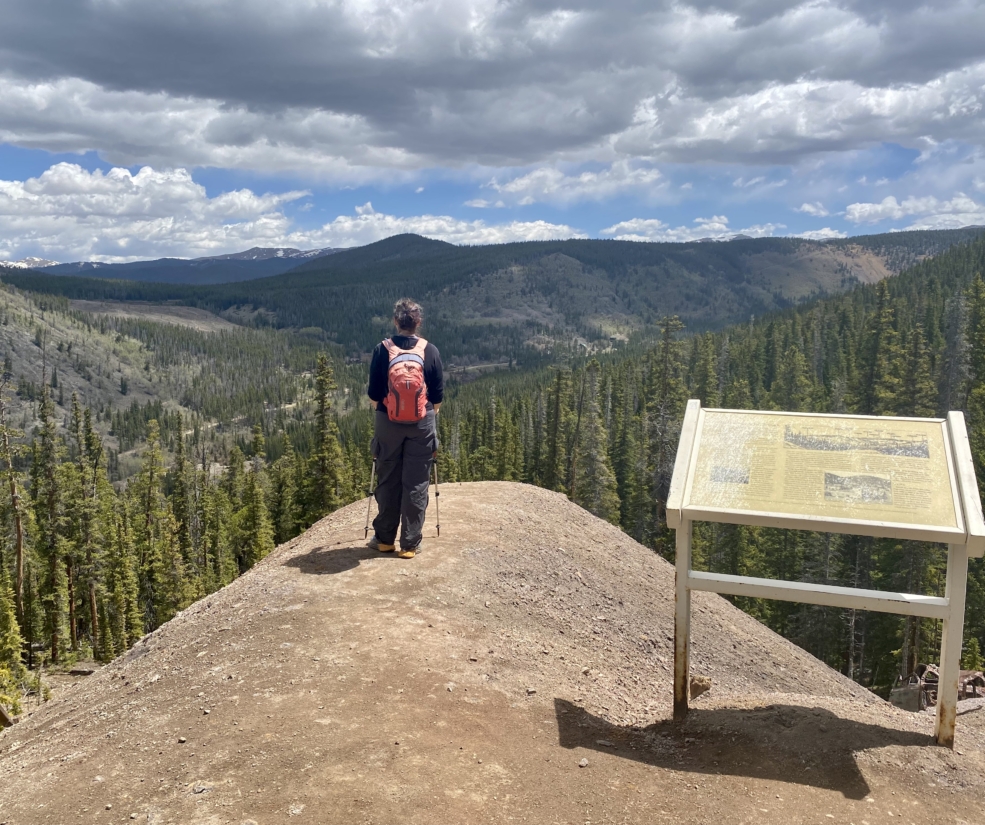
Iowa Hill Mine Trail — This 1.5-mile loop climbs 1,120 feet and sits on the easier end of moderate, blending natural beauty with Breckenridge’s mining heritage. Interpretive signs along the route explain the area’s gold-mining history, and you’ll pass remnants of old mining operations tucked into the hillside. It’s a great pick if you want a trail with a story.
Blue River Trail — A flat, 3-mile out-and-back path with minimal elevation gain that follows the Blue River near the Breckenridge Nordic Center. You’ll walk through wetlands and riverside meadows — ideal for birdwatching, an easy morning jog, or a mellow hike with the dog. If you’re traveling with your pup, Hotel Alpenrock offers dog-friendly accommodations right at the base of the mountain.
Sapphire Point — This easy loop sits at roughly 9,500 feet and rewards you with panoramic views of Lake Dillon and the Tenmile Range. The trail is short and well-maintained, and the overlook at the end is one of the best photo spots in Summit County. It’s a popular choice for a quick leg-stretcher on a rest day.
Moderate Hiking Trails in Breckenridge
Burro Trail — At 6 miles with 915 feet of elevation gain, the Burro Trail is one of the most versatile routes near town. It starts at the base of Peak 9, right near Hotel Alpenrock, so you can walk to the trailhead from your room. The trail winds through evergreen forest with filtered mountain views and connects to a network of other paths if you want to extend your day.
Spruce Creek Trail — This 4.3-mile loop follows Spruce Creek through dense forest, with the sound of rushing water keeping you company the entire way. Moderate elevation gain keeps things interesting without overwhelming, and openings in the trees give you glimpses of the surrounding peaks. It’s one of the quieter trails in the area.
Baker’s Tank Trail — A 2.5-mile route with moderate elevation gain that’s also popular with mountain bikers, so stay alert on shared sections. If you’d rather ride than hike, check out mountain biking near Breckenridge. The trail climbs through lodgepole pine forest to an old railroad water tank — another piece of Breckenridge’s mining and railroad history. You’ll get solid views of the Tenmile Range from the upper sections.
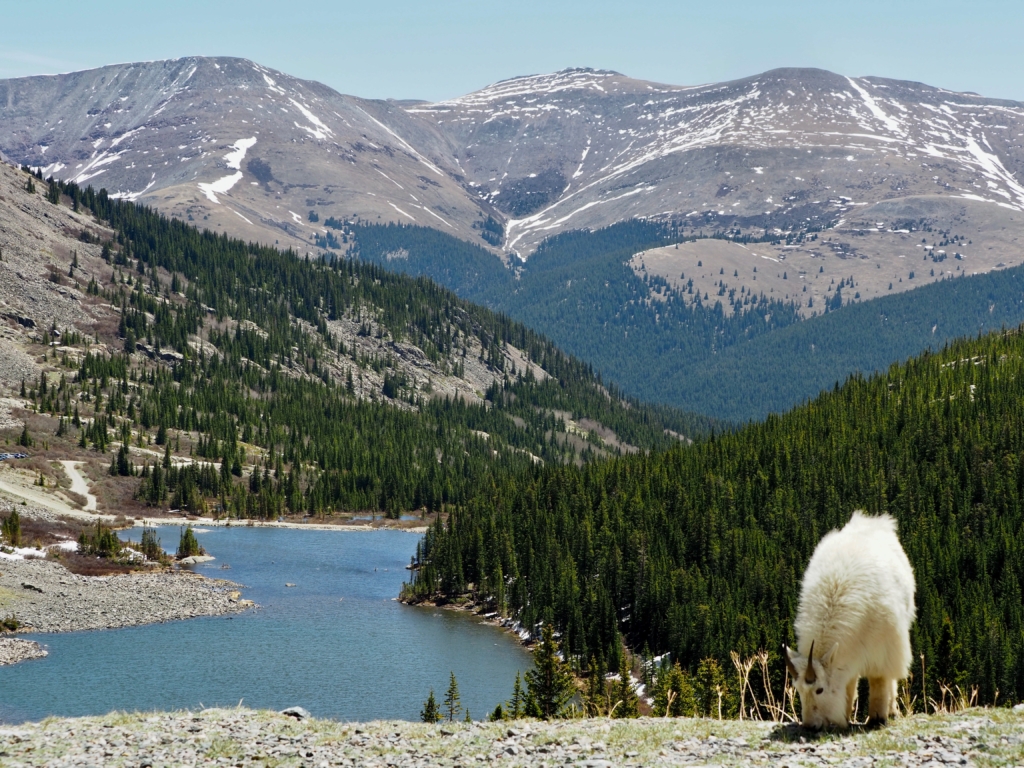
McCullough Gulch Trail — This 6.4-mile trail gains 1,607 feet and delivers some of the most dramatic scenery near Breckenridge. You’ll pass through wildflower meadows in July, hear a waterfall echoing off the gulch walls, and reach a glacial lake tucked beneath towering peaks. Mountain goats frequent the upper basin — keep your eyes on the ridgeline above the lake.
Black Powder Pass — At 3.4 miles with about 1,000 feet of gain, Black Powder Pass takes you above treeline to summits over 12,000 feet. The views from the pass stretch across the Continental Divide, and the open alpine tundra feels like a different world from the forested trails below. Bring layers — it’s exposed and windy up top.
Challenging Hikes Near Breckenridge
Crystal Lake Trail — At 9.5 miles with 2,578 feet of elevation gain, Crystal Lake is a serious alpine workout. You’ll climb through forest, break above treeline onto a rocky ridgeline, and descend to a pristine lake surrounded by cliffs. This is an all-day commitment — pack extra food and water, and start early.
Mohawk Lakes via Spruce Creek — One of Breckenridge’s most iconic hikes, this route takes you past waterfalls and through wildflower-packed meadows to upper and lower Mohawk Lakes. The trail is moderate-to-hard with steady climbing, and the payoff — turquoise glacial lakes beneath jagged peaks — is worth every step.
Quandary Peak — The crown jewel of Breckenridge hiking. This 6.75-mile trail gains 3,326 feet to reach the 14,265-foot summit, making it one of Colorado’s most accessible 14ers. The route is straightforward but relentless — you’ll climb above treeline early and follow a rocky ridge to the top. In peak season, a shuttle runs to the trailhead for $15 per person, which beats the sunrise parking scramble. Start before 7 a.m. to summit ahead of afternoon thunderstorms.
Mineral Hill — This 4.7-mile trail with significant elevation gain accesses the Boreas Pass area south of Breckenridge. You’ll climb through mixed forest and meadows, with views opening up as you gain altitude. The trail is less crowded than the popular 14er routes, making it a solid pick for hikers who want a challenging day without the Quandary Peak crowds.
Breckenridge Hiking Trail Comparison
| Trail Name | Difficulty | Distance | Elevation Gain | Best For | Season |
|---|---|---|---|---|---|
| Sawmill Creek Trail | Easy | 1.3-mile loop | 223 ft | Families, casual hikers | June – October |
| Blue Lakes Trail | Easy | Varies | 108 ft | Scenic views, photography | June – September |
| Iowa Hill Mine Trail | Easy-Moderate | 1.5-mile loop | 1,120 ft | History buffs, mining heritage | June – October |
| Blue River Trail | Easy | 3 miles out-and-back | Minimal | Birdwatching, dog walks, jogging | Year-round |
| Sapphire Point | Easy | Short loop | Minimal | Lake Dillon views, quick hike | May – October |
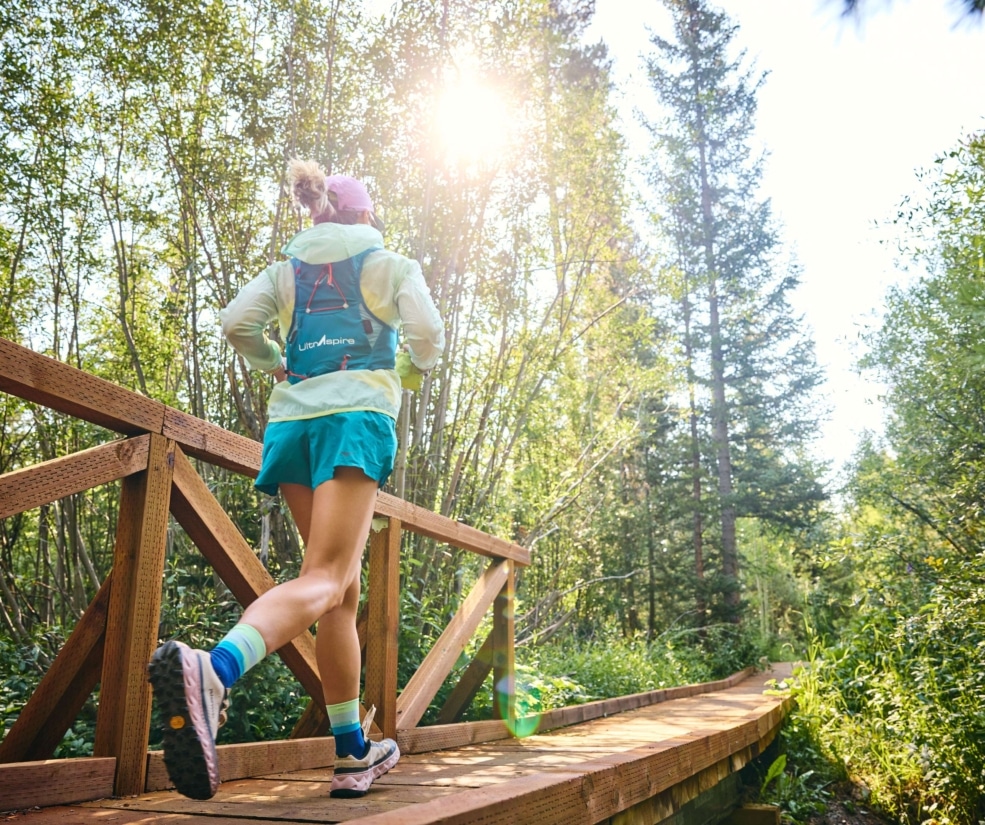
| Burro Trail | Moderate | 6 miles | 915 ft | Hotel guests, trail running | June – October |
| Spruce Creek Trail | Moderate | 4.3-mile loop | Moderate | Solitude, creek scenery | June – September |
| Baker’s Tank Trail | Moderate | 2.5 miles | Moderate | History, shared-use trail | June – October |
| McCullough Gulch Trail | Moderate | 6.4 miles | 1,607 ft | Wildflowers, waterfalls, wildlife | July – September |
| Black Powder Pass | Moderate | 3.4 miles | 1,000 ft | Above-treeline views | July – September |
| Crystal Lake Trail | Challenging | 9.5 miles | 2,578 ft | Experienced hikers, alpine lakes | July – September |
| Mohawk Lakes | Challenging | Varies | Significant | Waterfalls, glacial lakes | July – September |
| Quandary Peak | Challenging | 6.75 miles | 3,326 ft | 14er summit, bucket list | June – September |
| Mineral Hill | Challenging | 4.7 miles | Significant | Fewer crowds, Boreas Pass area | June – September |
Best Time To Hike in Breckenridge
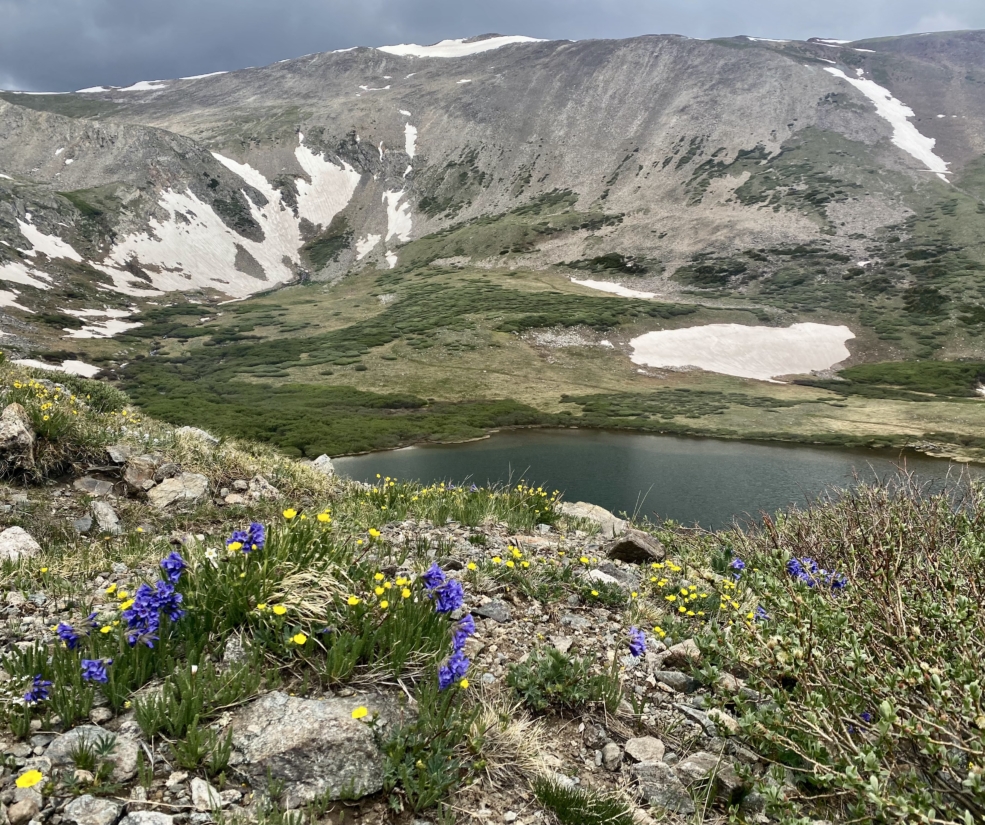
Mid-June through September is prime Breckenridge hiking season. Snow clears most trails by late June, and by early July the wildflower blooms turn entire meadows into carpets of columbine, Indian paintbrush, and alpine sunflowers. July is the busiest month on the trails — plan to start early or choose less popular routes if you want solitude.
September brings fall colors and thinner crowds. The aspens turn gold across the lower elevations, and cooler temperatures make longer hikes more comfortable. There’s no shortage of things to do in Breckenridge in fall beyond the trails. Winter hiking is possible with snowshoes or microspikes on certain lower-elevation trails — the Blue River Trail and parts of the Burro Trail stay accessible through the colder months. If you’re visiting in the colder season, explore even more winter activities in Breckenridge.
No matter the month, start early in summer. Aim to be on the trail before 7 a.m. for longer hikes. Afternoon thunderstorms roll in reliably between 1 and 2 p.m. from late June through August, and you don’t want to be above treeline when lightning starts.
What To Expect on Breckenridge Trails
If you’re hiking above 9,000 feet for the first time, the altitude will make itself known. You’ll breathe harder on uphills, and your pace will slow compared to sea level. Take it easy on your first day — give your body a chance to acclimate, drink plenty of water, and don’t push through headaches or dizziness.
Trail conditions range from well-groomed gravel paths on the easy routes to loose rock, root-covered singletrack, and talus fields above treeline on the harder ones. Signage is generally good on popular trails, but less-traveled routes can be vague at junctions — download an offline trail map before you head out.
Wildlife is part of the experience. Marmots whistle from boulder fields, mountain goats graze the high ridges, and you might spot a moose browsing along a creek in the early morning. Give all wildlife space — at least 25 yards for most animals, more for moose. Practice Leave No Trace: pack out everything you bring in, stay on established trails, and keep dogs leashed where required.
Parking fills early at popular trailheads like Quandary Peak and McCullough Gulch, especially on weekends from late June through August. Arrive before 7 a.m. or use the Quandary Peak shuttle ($15/person) to skip the parking headache entirely.
What To Bring on a Breckenridge Hike
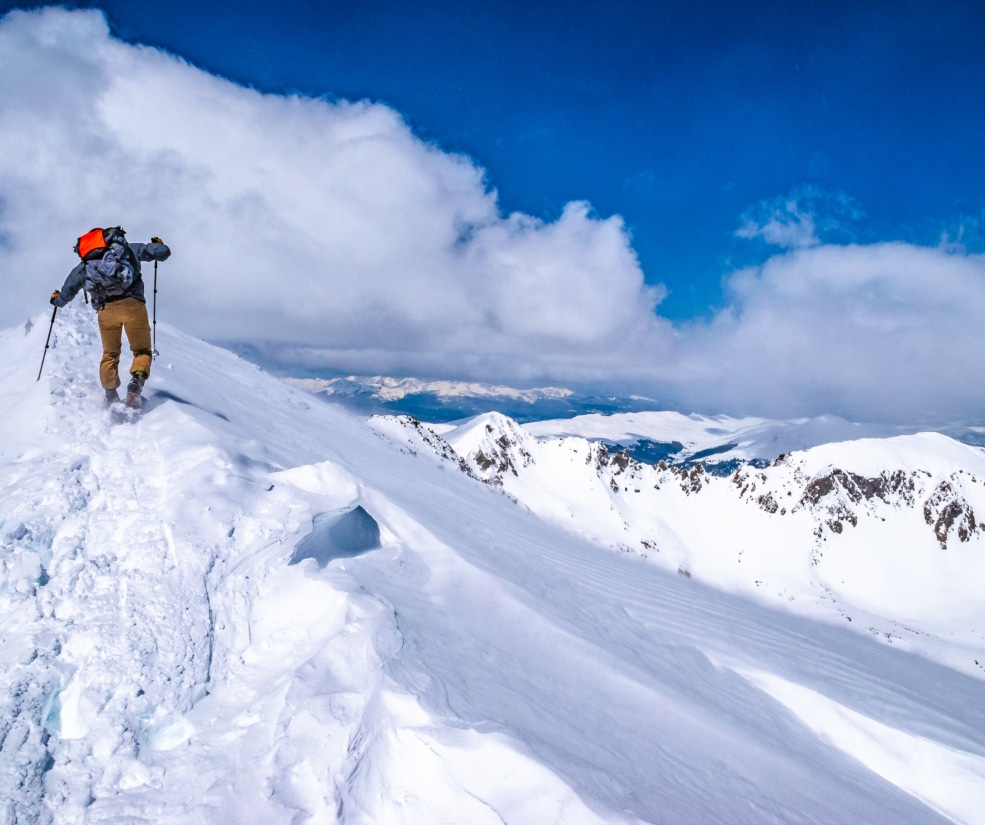
- Layers — Mountain weather changes fast at altitude. Morning temperatures can sit in the 40s even in July, and summit winds drop the windchill further.
- Sunscreen SPF 50+ — UV intensity increases roughly 10% for every 3,000 feet of elevation. At 12,000 feet, you’ll burn fast without protection.
- 2+ liters of water per person — Altitude dehydrates you faster than you’d expect. Drink before you’re thirsty and sip consistently throughout the hike.
- Trail snacks with electrolytes — Salty snacks, energy bars, and electrolyte packets help your body manage the altitude and sustained effort.
- Rain jacket — Those afternoon thunderstorms come on fast. A packable rain shell weighs almost nothing and keeps you dry when the sky opens up.
- Sturdy hiking shoes — Rocky terrain above treeline demands ankle support and good traction. Trail runners work on groomed paths, but tougher routes call for real hiking boots.
- Bear spray and/or a bear bell — Wildlife encounters are possible in the backcountry. Bears, moose, and mountain lions are all present in Summit County. Make noise on the trail and carry bear spray on longer hikes.
Breckenridge Hike Quick Facts
- Hiking season: Mid-June through September (some trails year-round with snowshoes)
- Town elevation: 9,600 ft
- Trail count: 200+
- Closest trail to Hotel Alpenrock: Burro Trail (starts at the base of Peak 9)
- Highest hike: Quandary Peak at 14,265 ft
- Price: Free (most trails are on National Forest land); Quandary Peak shuttle $15/person
- Dog-friendly: Many trails allow leashed dogs — check individual trail rules
- What’s provided: Hotel concierge offers trail maps and recommendations
Breckenridge Hiking Basecamp at Hotel Alpenrock
Your hiking day starts at the Coffee Bar & Bistro, where you can grab a drip coffee and a breakfast sandwich before the sun clears the Tenmile Range. From there, you’re a short walk to the Burro Trail at the base of Peak 9 — or a 15-minute drive to trailheads like McCullough Gulch, Quandary Peak, or Sapphire Point.
Spend the morning on the trail, pushing through wildflower meadows or scrambling toward a ridgeline. By early afternoon, you’re back at Hotel Alpenrock, boots off, soaking in the outdoor hot tubs in the courtyard while the mountains you just hiked tower overhead. The hot tubs are open 7 a.m. to 10 p.m. — perfect for loosening up tired legs after a long descent. Explore all of the hotel amenities designed to recharge you between adventures.
When evening rolls around, walk over to Edwin for dinner — the kind of meal that rewards a day of effort. If you’re still buzzing with energy, grab a cocktail at The Carter in the lobby or discover Canary, the speakeasy tucked into the hotel. Tomorrow, you can explore an entirely different trail, venture into town for scenic lift rides, or head to Peak 8 for Epic Discovery — all from the same slopeside basecamp.
Browse our rooms and suites and start planning your mountain getaway.
Breckenridge Hiking FAQs
Breckenridge sits at 9,600 feet, and most trails climb higher. You’ll notice the altitude in your breathing and energy levels. Take your first day slow, drink extra water, and avoid pushing through headaches or dizziness — your body typically adjusts within 24–48 hours.
Many Breckenridge trails allow leashed dogs, though some wilderness areas have restrictions. Check individual trail rules before heading out. Hotel Alpenrock is pet-friendly, so your hiking buddy is welcome at your basecamp, too.
Yes — several trails like Sawmill Creek (1.3-mile loop), Blue Lakes Trail, and Blue River Trail have minimal elevation gain and work well for families and beginners. The Burro Trail starts right near Hotel Alpenrock at the base of Peak 9.
You can. Lower-elevation trails like the Blue River Trail and parts of the Burro Trail stay accessible with snowshoes or microspikes through winter. The Breckenridge Nordic Center also offers groomed trails for cross-country skiing and snowshoeing.
Mid-June through September offers the best hiking conditions, with July bringing peak wildflower season and September delivering fall colors alongside fewer crowds. Some lower trails stay accessible year-round with snowshoes. Start before 7 a.m. in summer to beat afternoon thunderstorms.