Your Guide to Wildlife in Breckenridge, Colorado
Quick Summary
- Breckenridge sits at roughly 9,600 feet in the Colorado Rockies, and that high-alpine setting makes it one of the best wildlife-watching towns in the state.
- Common sightings include moose, elk, mule deer, black bears, bighorn sheep, and mountain goats, along with marmots, pikas, and nearly 50 species of birds.
- Cucumber Gulch Wildlife Preserve, a 188-acre wetland sanctuary, sits less than a mile from Main Street and is the single best place near town to spot moose, beaver, and the state-endangered boreal toad.
- Dawn and dusk are the prime viewing hours, and fall brings the elk rut and bugling, while spring and summer bring active bears and newborn young.
- Watch responsibly: keep a wide distance, never feed wildlife, leave dogs behind in sensitive habitats, and use binoculars or a zoom lens instead of moving closer.
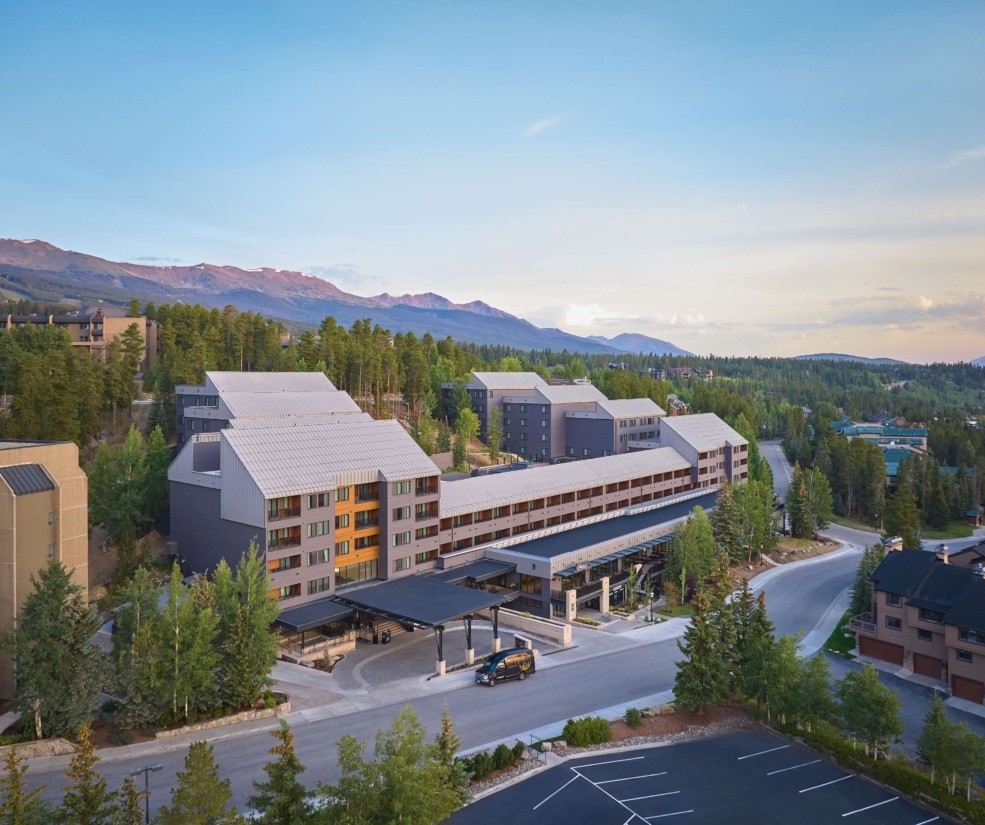
- Hotel Alpenrock, at the base of Peak 9 and steps from Main Street, puts you within walking distance of trails, rivers, and the gondola that crosses Cucumber Gulch.
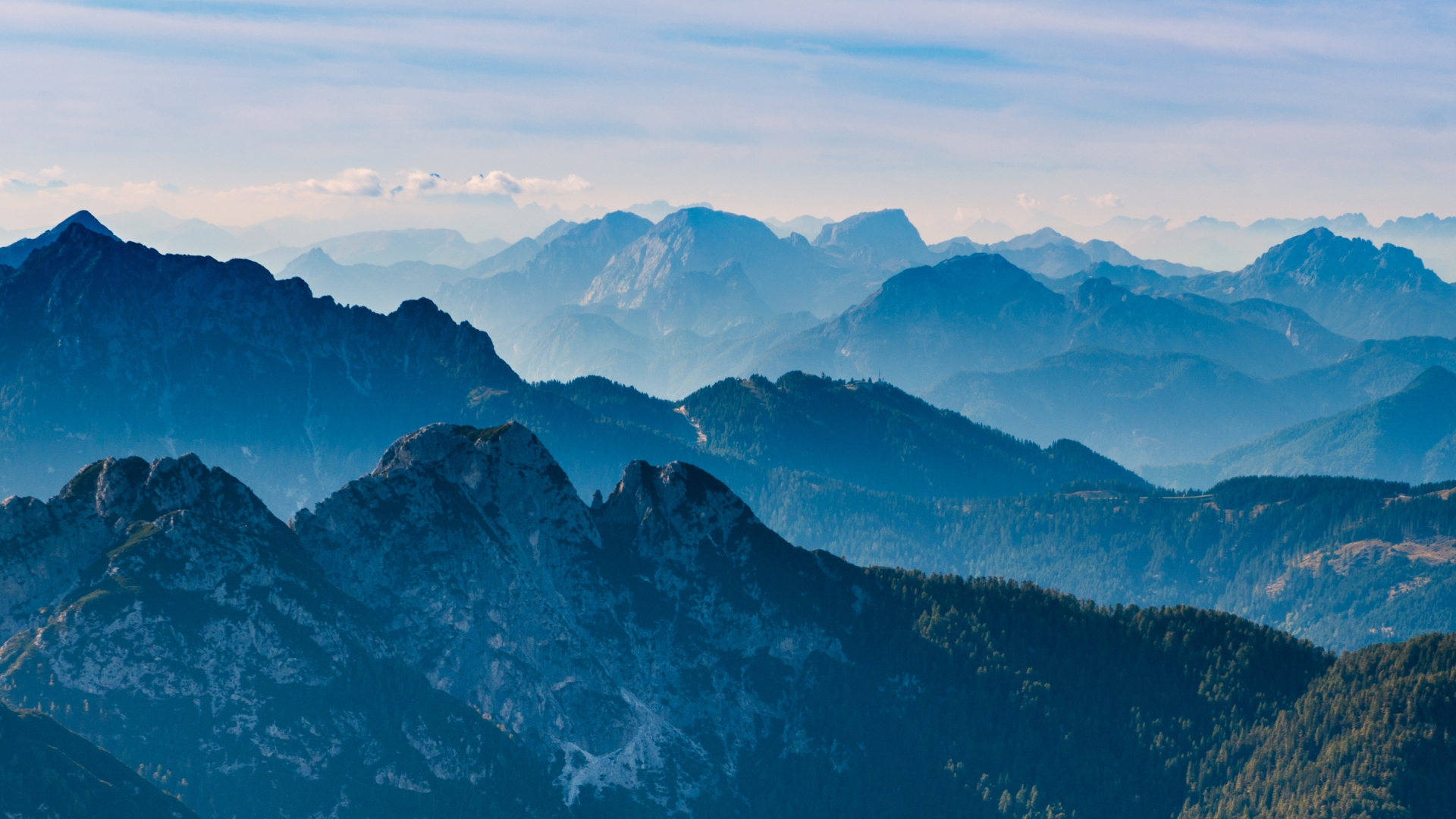
Breckenridge is famous for its skiing, but the same peaks that draw skiers in winter are home to some of the richest wildlife in Colorado year-round. At nearly 9,600 feet, the town sits in a meeting place of habitats: willow wetlands, lodgepole and spruce forest, alpine tundra, and Gold Medal trout water, and each one supports its own cast of animals. Spend a few quiet mornings here, and you will understand why so many visitors leave talking less about the slopes and more about the moose they watched wade through a beaver pond at sunrise. This guide covers the animals you are likely to encounter, where and when to look for them, and how to watch them without putting yourself or the wildlife at risk.
Animals That Call Breckenridge Home
Wildlife around Breckenridge falls into a few broad groups, from the large mammals everyone hopes to see to the small alpine specialists that are easy to miss.
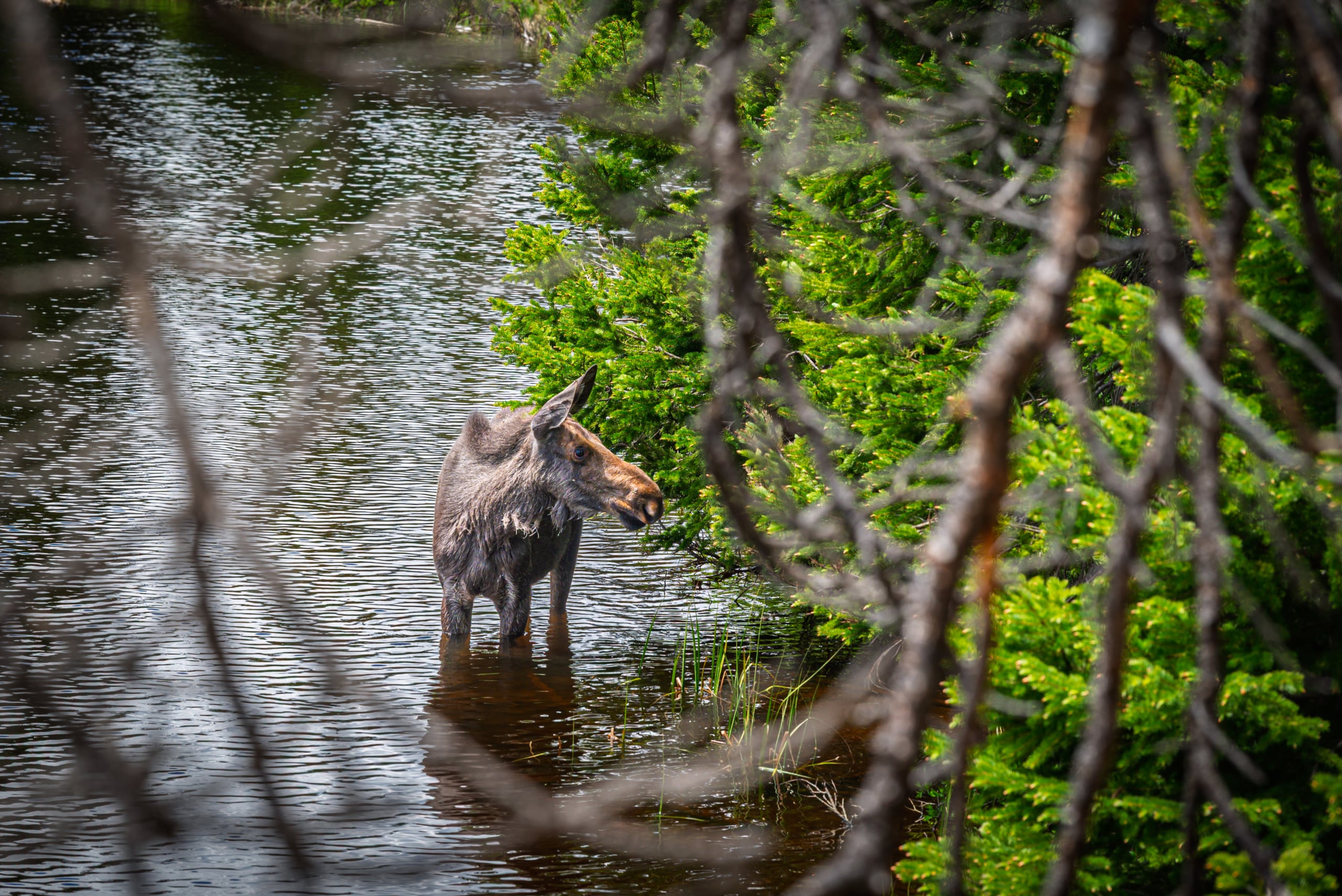
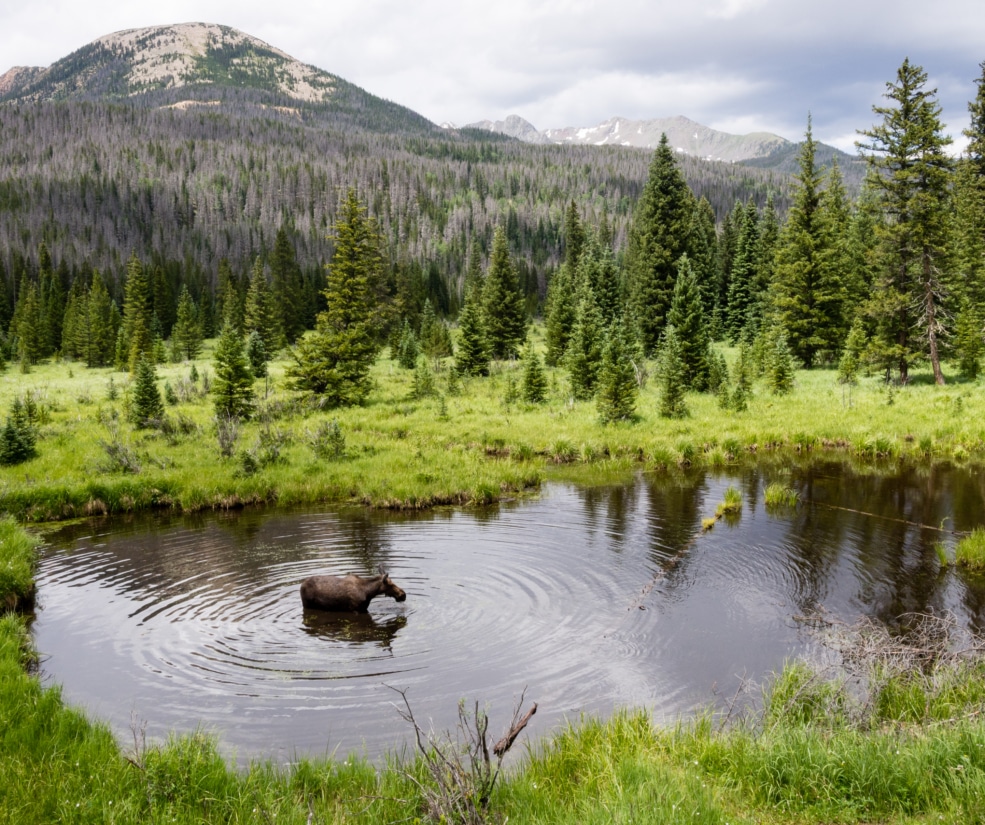
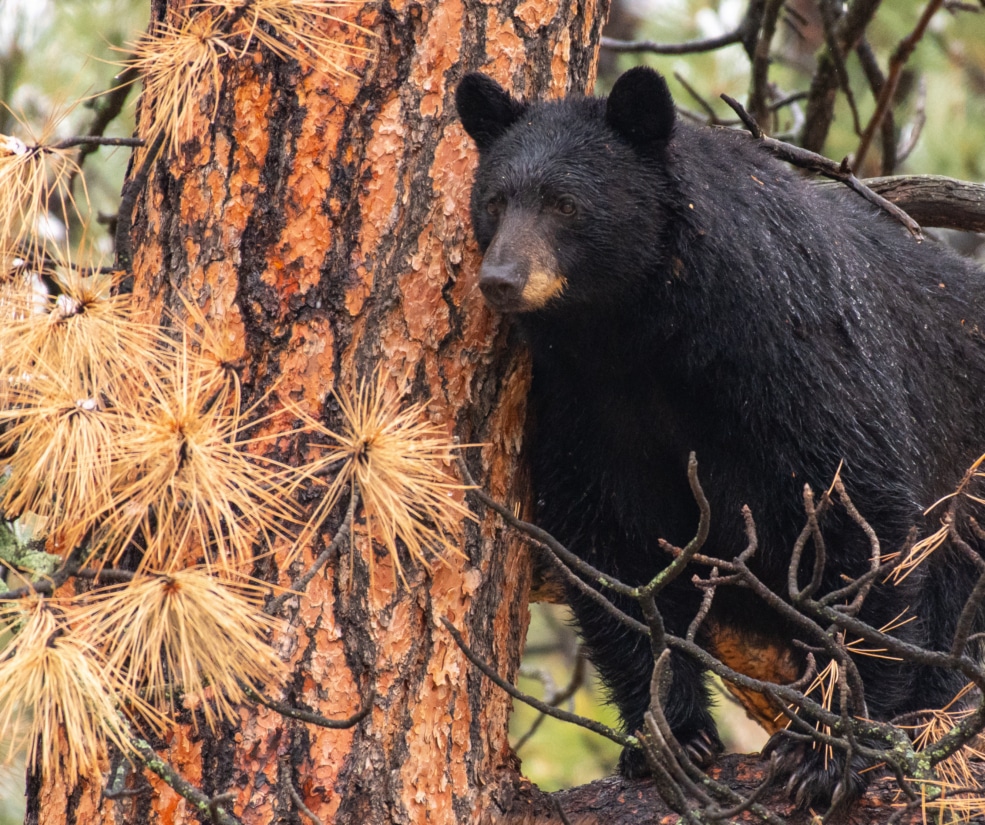
Large mammals. Moose are the headline animal in the valley, and the population has grown noticeably over the past few decades. You will most often find them in and around willow-lined wetlands and ponds, where they feed at dawn and dusk. Elk move through the area in herds and are especially vocal in autumn, when bulls bugle during the rut. Mule deer are common enough that you will likely spot them grazing on the edges of town. Black bears roam the forests from spring through fall, bighorn sheep (Colorado’s state animal) favor steep rocky slopes, and surefooted mountain goats live in the high alpine zones near summits like Quandary Peak. Mountain lions are present but reclusive, and most visitors never see one.
Small alpine creatures. Up in the rocks and meadows, yellow-bellied marmots sun themselves on boulders before hibernating through the winter. Pikas, their tiny cousins, do not hibernate at all; instead, they spend the warm months gathering “haypiles” of grasses to survive the cold. You will also share the trails with chipmunks, golden-mantled ground squirrels, and the occasional snowshoe hare, which trades its brown summer coat for white in winter.
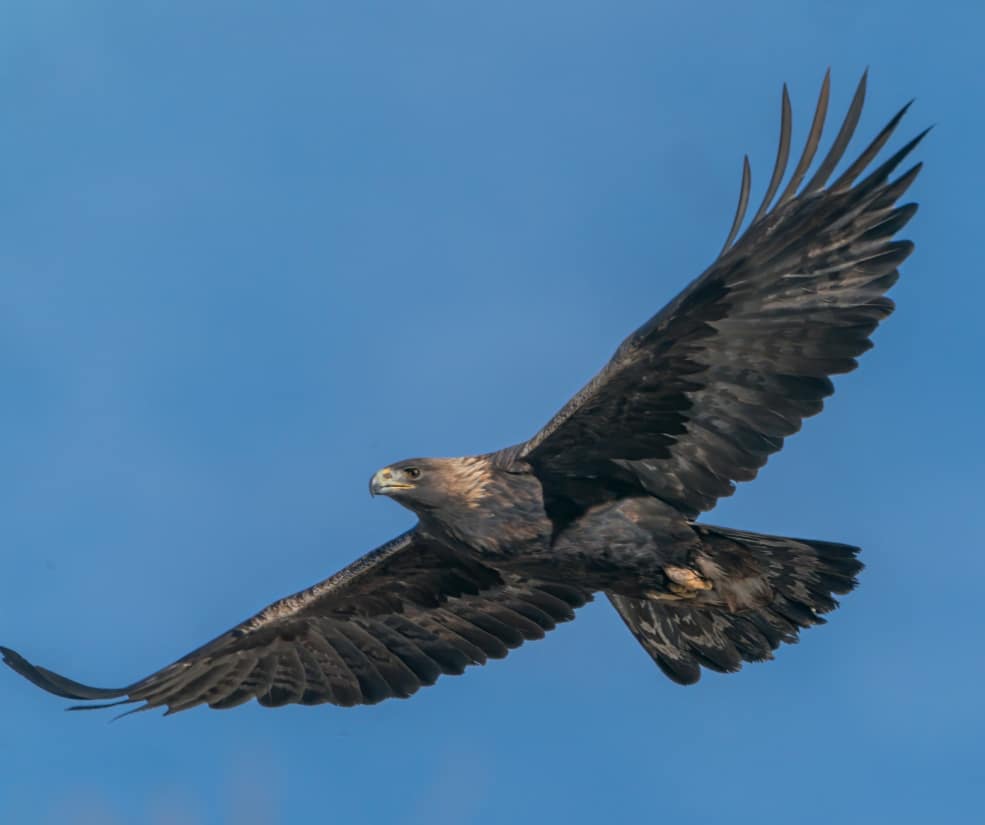
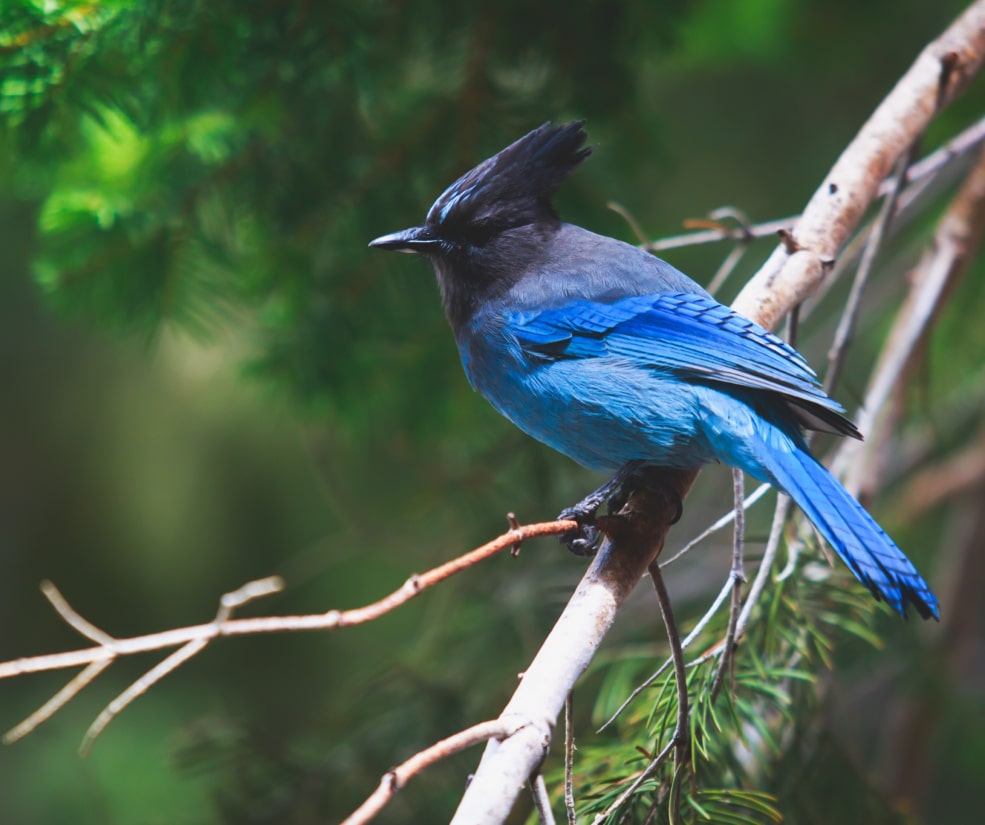
Birds. Breckenridge is a strong birding destination. Bold, blue Steller’s jays and gray Canada jays are common around forest edges and picnic spots, Clark’s nutcrackers cache pine seeds across the slopes, and mountain chickadees chatter through the conifers. Higher up, the well-camouflaged white-tailed ptarmigan changes color with the seasons. Raptors include red-tailed hawks and golden eagles, and bald eagles arrive in winter to hunt around the larger reservoirs nearby.
Aquatic Wildlife. The Blue River and surrounding waters are home to rainbow, brown, brook, and native cutthroat trout, with stretches of the Blue designated as Gold Medal water. Watch the banks for beavers and their dams, river otters, and the American dipper, a small gray songbird that walks underwater along stream bottoms in search of insects.
Where to See Wildlife Near Breckenridge
The standout spot is Cucumber Gulch Wildlife Preserve, a 188-acre sanctuary that protects rare fen wetlands less than a mile from downtown. These groundwater-fed wetlands can take thousands of years to form, and they shelter moose, elk, deer, beaver, and nearly 50 species of birds, along with the state-endangered boreal toad. Because the habitat is so fragile, dogs are not allowed access to parts of the gulch, and access to parts of the gulch is restricted during the sensitive summer breeding season, and visitors are asked to stay on signed trails. One of the easiest ways to take in the area is from above: the BreckConnect gondola crosses directly over the preserve, and a scenic gondola or lift ride often delivers an overhead glimpse of moose or beaver ponds you would never see from the road.
For wildlife on foot, the network of hiking trails around Breckenridge threads through meadows, aspen groves, and forest where deer, elk, marmots, and birds are all in play. Trails near water and willow flats tend to be the most productive in the early morning.
The waterways are their own world. Anglers heading out for fly fishing on the Blue River routinely share the bank with dippers, kingfishers, and the occasional beaver, and the still ponds and reservoirs around the valley are prime moose territory. If you would rather be on the water than beside it, paddleboarding and kayaking the calm alpine waters is a peaceful, low-impact way to drift past shorelines where wildlife gathers to drink at dawn and dusk.
When to Spot Wildlife in Breckenridge
Wildlife viewing in Breckenridge changes dramatically with the seasons, so timing your trip and your day around the animals you want to see pays off.
Time of day matters most. Across every season, the first hour after sunrise and the last hour before sunset are when animals are most active and visible. Midday sightings happen, but they are the exception.
Spring brings bears out of hibernation, hungry and on the move, along with the first newborn elk calves and deer fawns. It is also when migratory birds return, and the high country slowly greens up.
Summer is peak season for small alpine animals. Marmots and pikas are busy in the rocks, hummingbirds work the wildflowers, and moose are reliably found in the willows. Long daylight hours give you wide viewing windows.
Fall may be the most dramatic stretch of all. September into October is elk rut season, when bulls bugle across the meadows in a sound that carries for miles. Black bears enter a feeding frenzy as they fatten up for winter, so this is the time to be especially careful with food. The golden aspens that draw fall visitors also make for stunning wildlife photography.
Winter thins the cast but rewards patient watchers. Bald eagles gather near open water, snowshoe hares and ptarmigan turn white, and moose and deer move to lower elevations where they are often easier to spot against the snow.
How to Watch Wildlife Responsibly
The animals around Breckenridge are wild, and the best encounters are the ones where you barely register as a presence at all. A few principles keep everyone safe.
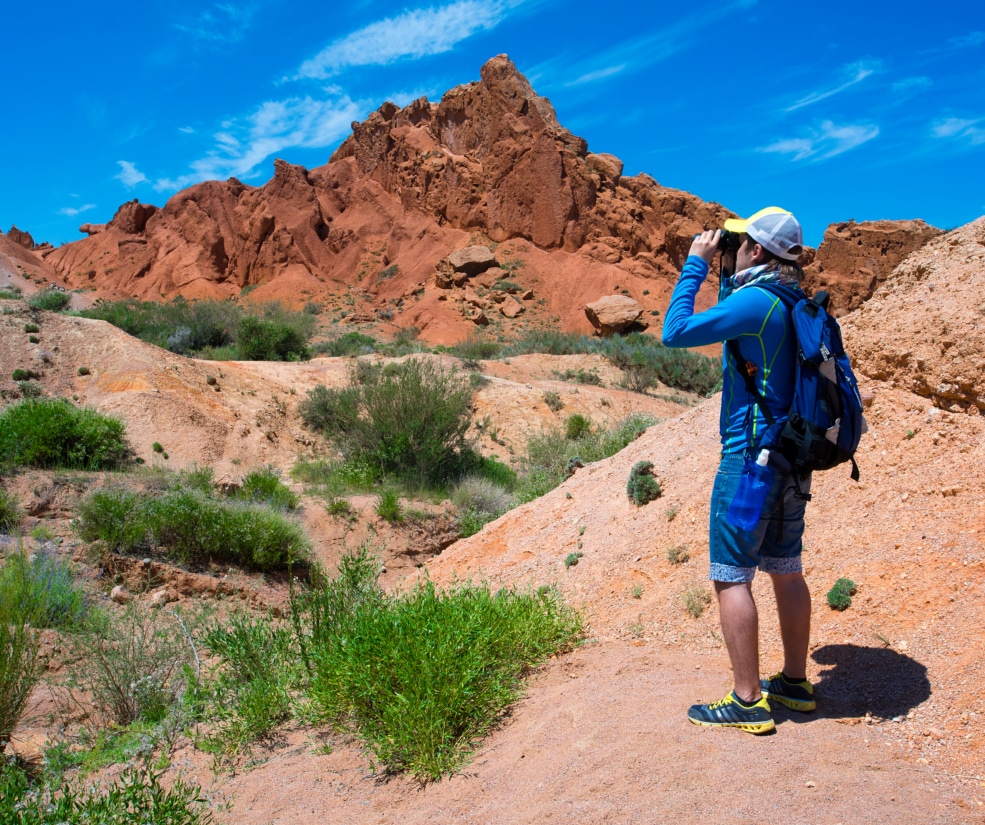
Keep a generous distance from all wildlife, and a very wide berth from moose and bears. Moose are far more dangerous than their calm appearance suggests, especially cows with calves and bulls during the fall rut. Bring binoculars or a zoom lens rather than moving closer for a better view.
Never feed wildlife, even small animals like chipmunks or jays. Handouts make animals dependent, draw them into roads and parking lots, and can ultimately get them killed. Store your own food and trash securely so you are not the reason a black bear loses its natural wariness.
Leave dogs at home in a sensitive habitat. Cucumber Gulch bans dogs entirely, and even one off-leash dog can disrupt nesting birds. The good news is that Hotel Alpenrock offers dog-friendly rooms, so your pup can relax at the hotel while you explore the preserve. Elsewhere, keep dogs leashed.
Finally, stay on established trails, give animals a clear path to move away, and follow Leave No Trace principles. If an animal changes its behavior because of you, you are too close.
Using Hotel Alpenrock as Your Wildlife Basecamp
Where you stay shapes how easily you can get out at dawn, the best hour for wildlife. Hotel Alpenrock sits at the base of Peak 9, steps from Main Street and roughly a mile from Cucumber Gulch, which means you can be on a quiet trail or aboard the gondola before the day warms up and the animals retreat into the trees.
The location also keeps the rest of your itinerary close at hand. After a morning of wildlife watching, the full range of things to do in Breckenridge is within easy reach, and you can check conditions before you head out using the live Breckenridge webcam. When you are ready to plan around sunrise starts and easy trail access, you can book your stay at Hotel Alpenrock and make the mountains your backyard for a few days.